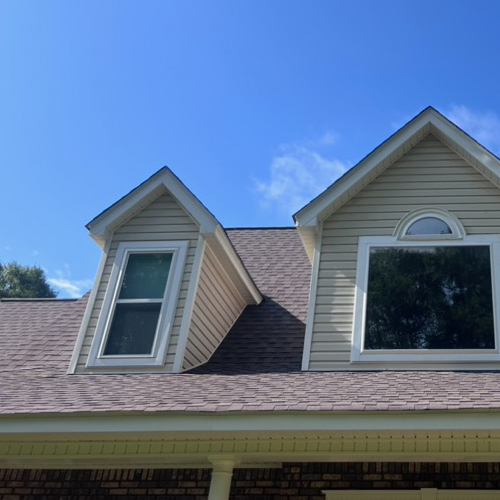

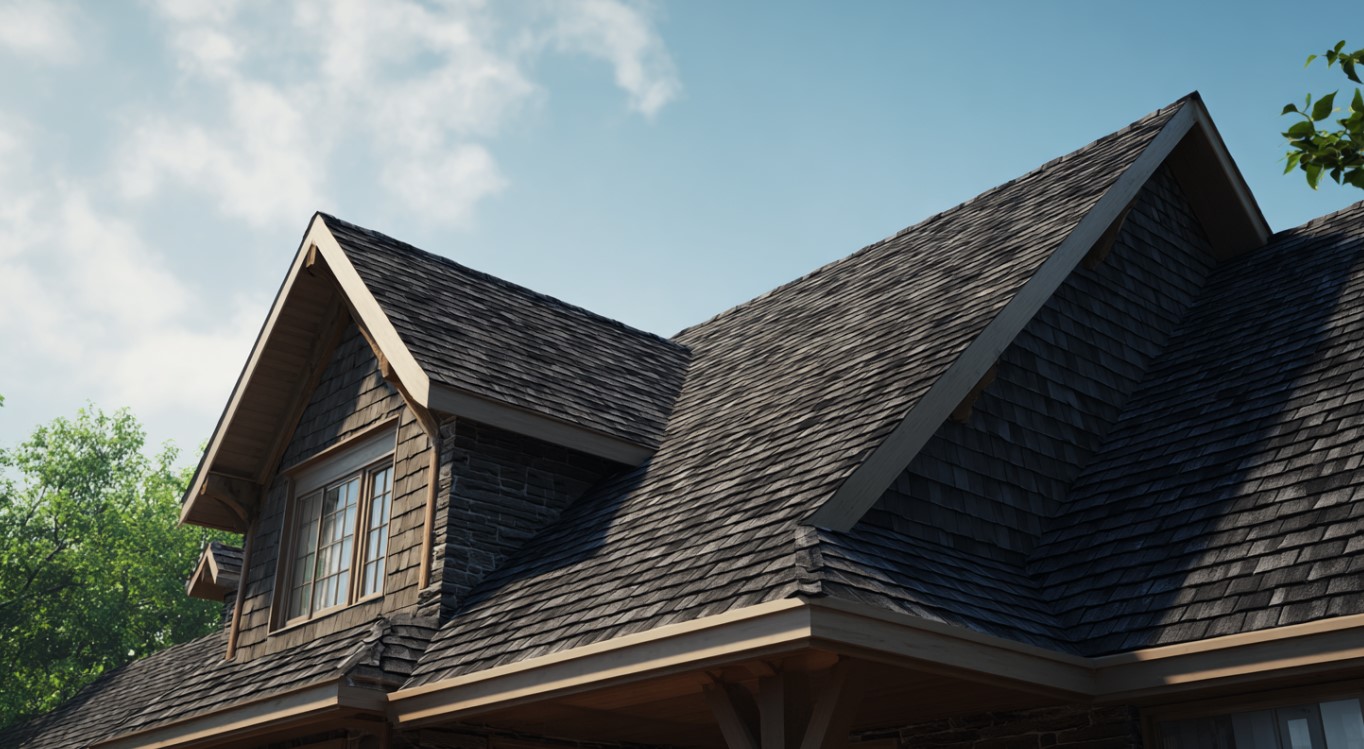
Many homeowners notice dark streaks, stains, or discoloration appearing on their roofs over time. These unsightly black marks often develop gradually, making a roof look older and poorly maintained even when the roofing materials are still structurally sound. While roof discoloration can occur in any climate, it tends to become much more noticeable in regions with high humidity.
Humid weather creates ideal conditions for organic growth on roofing surfaces. Moisture lingering on shingles provides the perfect environment for algae, mold, mildew, and moss to thrive. As these organisms spread, they leave behind dark stains and streaks that can significantly affect the appearance and performance of a roof.
Understanding the relationship between moisture, organic growth, and roof health is essential for homeowners who want to protect their property and extend the life of their roofing system. In this article, we’ll explore why roofs turn black faster in humid weather, what causes the discoloration, the potential risks involved, and how preventive maintenance and professional cleaning can help keep your roof looking its best.
What Causes Black Streaks on Roofs?
Understanding Gloeocapsa Magma Algae
One of the most common causes of black roof streaks is a type of airborne algae known as Gloeocapsa magma. This microorganism thrives in warm, moist environments and feeds on the limestone filler commonly found in asphalt shingles.
As the algae colony grows, it forms dark protective coatings that shield it from ultraviolet sunlight. These coatings create the black streaks that homeowners often notice running down their roofs. Professional Exterior Cleaning Services can help safely remove these stains and prevent further algae growth, helping to restore the roof’s appearance and extend its lifespan.
How Algae Spread Across Roofing Materials
Algae spores travel through the air and can land on virtually any roofing surface. Once they settle in an area with sufficient moisture, they begin to multiply.
Wind, rain, humidity, and environmental debris help spread algae across the roof. Over time, small patches can expand into widespread discoloration affecting large sections of the roofing system.
Why Asphalt Shingles Are More Vulnerable
Asphalt shingles are particularly susceptible to algae growth because they often contain limestone fillers that serve as a food source.
Additionally, asphalt shingles tend to retain moisture longer than some other roofing materials, especially when located in shaded or humid environments. This combination of nutrients and moisture creates ideal conditions for algae colonies to develop.
Difference Between Algae, Mold, and Mildew
Although homeowners often use these terms interchangeably, algae, mold, and mildew are different organisms.
- Algae typically cause black streaks and dark discoloration.
- Mildew often appears as gray or white powdery patches.
- Mold may look black, green, or brown and can sometimes penetrate roofing materials.
Identifying the source of discoloration helps determine the most effective cleaning and prevention methods.
Early Signs of Roof Discoloration
Roof discoloration usually begins subtly. Homeowners may notice:
- Small dark spots
- Light streaking
- Uneven coloration
- Green patches near shaded areas
- Dark stains around roof valleys
Addressing these signs early can prevent extensive staining and potential damage.
Why Humid Weather Accelerates Roof Blackening
Increased Moisture Creates Ideal Growing Conditions
Humidity increases the amount of moisture present in the air and on roofing surfaces. When moisture consistently accumulates on shingles, algae and other organic organisms gain access to the water they need to survive and reproduce.
As a result, roofs in humid climates often experience faster and more widespread discoloration.
Reduced Evaporation and Longer Damp Periods
In dry climates, moisture evaporates quickly after rainfall or morning dew. However, humid conditions slow evaporation significantly.
The longer a roof remains damp, the more opportunities algae have to establish colonies and spread across roofing materials.
High Humidity Encourages Organic Growth
Algae, mold, mildew, and moss all flourish in environments where moisture levels remain elevated.
When relative humidity stays consistently high, roofing surfaces rarely dry completely. This continuous moisture exposure supports rapid biological growth and accelerates roof staining.
Frequent Rainfall and Condensation Effects
Humid regions often experience frequent rainfall, morning dew, and condensation.
These moisture sources repeatedly wet roofing surfaces, providing ongoing hydration for algae colonies. Even when it isn’t raining, overnight condensation can leave roofs damp for several hours each morning.
Warm Temperatures Combined with Moisture
Heat and moisture together create the perfect environment for algae growth.
Warm temperatures accelerate biological activity, allowing algae colonies to expand more quickly. In tropical and subtropical climates, roofs can become discolored much faster than those located in cooler, drier regions.
How Shade and Tree Coverage Contribute to Roof Discoloration
Limited Sunlight Slows Roof Drying
Sunlight helps dry roofing materials after rain and dew.
When large trees or nearby structures block sunlight, moisture remains trapped on the roof for longer periods. These damp conditions encourage algae growth and accelerate discoloration.
Moisture Retention in Shaded Areas
Shaded roof sections often show staining before sun-exposed areas.
Without sufficient sunlight, moisture evaporates slowly, creating persistent dampness that supports biological growth throughout the year.
Tree Debris Accumulation on Roof Surfaces
Leaves, pine needles, twigs, and other debris commonly accumulate on roofs located beneath trees.
This organic material traps moisture against the roof surface and provides additional nutrients that promote algae, mold, and moss growth.
Increased Algae and Moss Growth
Trees create a microenvironment that supports roof contamination.
The combination of shade, trapped moisture, and organic debris allows algae and moss to thrive. Over time, these organisms spread and create extensive discoloration.
Areas Most Commonly Affected
The following roof areas are often the first to develop black streaks:
- North-facing roof slopes
- Shaded sections
- Roof valleys
- Areas beneath overhanging branches
- Locations near gutters and downspouts
These areas typically remain damp longer than the rest of the roof.
The Impact of Black Streaks on Your Roof
Reduced Curb Appeal
Black roof streaks can dramatically affect a home’s appearance.
Even a relatively new roof may look aged and neglected when covered with dark stains. This reduced curb appeal can negatively impact property value and first impressions.
Potential Damage to Roofing Materials
Although algae primarily affect appearance initially, prolonged growth can contribute to roofing deterioration.
Organic growth may trap moisture against shingles, increasing wear and potentially accelerating material degradation over time.
Increased Heat Absorption
Dark stains absorb more sunlight than clean roofing surfaces.
As discoloration spreads, the roof may retain additional heat, increasing attic temperatures and reducing overall energy efficiency.
Higher Energy Costs
When roofs absorb excess heat, cooling systems must work harder to maintain comfortable indoor temperatures.
This additional workload can result in increased energy consumption and higher utility bills during warmer months.
Reduced Roof Lifespan
Persistent moisture and biological growth place additional stress on roofing materials.
Without proper maintenance, these conditions may shorten the lifespan of shingles and contribute to premature roof replacement needs.
How to Prevent Roofs From Turning Black
Regular Roof Inspections
Routine inspections help identify early signs of algae growth before widespread staining occurs.
Homeowners should inspect their roofs at least twice annually and after major storms.
Keeping Gutters Clean
Clogged gutters contribute to moisture retention and water overflow.
Keeping gutters clean allows water to drain properly and reduces excess moisture around roofing materials.
Trimming Overhanging Tree Branches
Reducing tree coverage improves sunlight exposure and airflow.
Trimming branches also minimizes debris accumulation and helps roofing surfaces dry more quickly.
Improving Roof Ventilation
Proper ventilation helps regulate moisture levels within the roofing system.
Improved airflow reduces condensation and supports faster drying after rain and humidity events.
Installing Algae-Resistant Shingles
Many manufacturers offer algae-resistant shingles containing copper or other protective materials.
These products help inhibit algae growth and can reduce discoloration over the long term.
Scheduling Preventive Roof Cleaning
Professional cleaning removes algae before severe staining develops.
Routine maintenance helps preserve both the appearance and performance of the roofing system.
Professional Roof Cleaning vs. DIY Cleaning
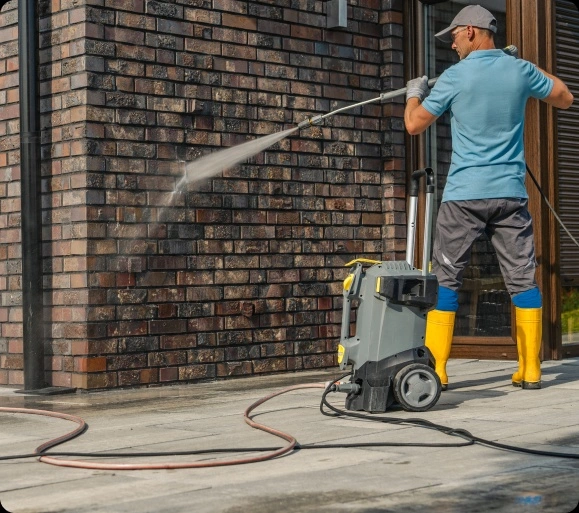
Risks of Pressure Washing a Roof
Many homeowners assume pressure washing is the fastest solution for roof stains.
However, high-pressure cleaning can damage shingles, remove protective granules, void warranties, and potentially shorten roof lifespan.
Benefits of Soft Washing Techniques
Soft washing uses low-pressure application methods combined with specialized cleaning solutions.
This approach safely eliminates algae, mold, mildew, and organic contaminants without damaging roofing materials.
Safe Removal of Algae and Organic Growth
Professional roof cleaning services use proven techniques designed specifically for roofing systems.
These methods target biological growth while preserving the structural integrity of shingles and other roofing materials.
Protecting Roofing Materials During Cleaning
Experienced professionals understand how different roofing materials respond to cleaning treatments.
Proper cleaning procedures help prevent unnecessary wear while restoring the roof’s appearance.
Long-Term Results of Professional Services
Professional roof cleaning often delivers longer-lasting results than DIY methods.
Many services include preventative treatments that help slow future algae growth and maintain a cleaner roof for extended periods.
When Should You Schedule Roof Cleaning?
Visible Black Streaks and Stains
The appearance of black streaks is one of the clearest indicators that cleaning is needed.
Addressing stains early prevents widespread discoloration and simplifies restoration efforts.
Moss or Algae Growth Appearing
Visible algae, moss, or mildew should be addressed promptly.
These organisms tend to spread quickly in humid environments.
After Long Periods of Humid Weather
Extended periods of humidity create favorable conditions for roof contamination.
Scheduling inspections and cleaning after particularly humid seasons can help prevent long-term issues.
Preparing a Home for Sale
A clean roof significantly improves curb appeal.
Professional roof cleaning can make a property more attractive to prospective buyers and support stronger resale value.
Routine Preventive Maintenance
Even when no obvious stains are present, periodic cleaning can help prevent future growth and preserve roofing materials.
Preventive maintenance is often more cost-effective than correcting severe discoloration.
Why Regular Roof Maintenance Matters
Extending Roof Lifespan
Routine maintenance helps roofing materials remain in good condition for as long as possible.
Early intervention reduces wear and minimizes the impact of environmental contaminants.
Protecting Property Value
A clean, well-maintained roof contributes positively to overall property value.
Potential buyers often view roof condition as an indicator of overall home maintenance.
Preventing Costly Repairs
Minor issues can quickly become major problems when left unaddressed.
Regular maintenance helps identify concerns before expensive repairs become necessary.
Maintaining Energy Efficiency
Clean roofs reflect sunlight more effectively and absorb less heat.
This improved performance can contribute to lower cooling costs and greater energy efficiency.
Improving Overall Home Appearance
Few maintenance tasks have a greater impact on curb appeal than roof cleaning.
A clean roof instantly enhances the appearance of the entire property.
Conclusion
Humid weather creates ideal conditions for algae growth and roof discoloration. Black streaks commonly develop when airborne algae thrive on roofing materials exposed to persistent moisture, warm temperatures, and limited sunlight. Areas with high humidity, frequent rainfall, and substantial tree coverage are particularly vulnerable to roof blackening.
While black streaks often begin as a cosmetic concern, prolonged algae growth can contribute to moisture retention, reduced energy efficiency, and accelerated roofing wear. Fortunately, regular inspections, preventive maintenance, proper ventilation, and professional cleaning services can help keep roofs clean and protected.
By addressing roof stains early and taking proactive steps to reduce moisture buildup, homeowners can preserve their roof’s appearance, extend its lifespan, and avoid costly repairs in the future.
If your roof is showing signs of black streaks, algae growth, or discoloration, contact us today to schedule a professional roof inspection and cleaning service. Our team can help restore your roof’s appearance and protect your investment for years to come.
Frequently Asked Questions
Why do roofs turn black in humid climates?
High humidity creates moist conditions that allow algae, particularly Gloeocapsa magma, to grow and spread across roofing surfaces, causing black streaks and discoloration.
Are black streaks on roofs harmful?
While initially cosmetic, black streaks indicate algae growth that can contribute to moisture retention, reduced energy efficiency, and potential roof deterioration over time.
What causes algae to grow on roofs?
Algae grow when airborne spores land on roofing materials and find sufficient moisture, warmth, and nutrients to support reproduction.
Can humid weather damage my roof?
Yes. Persistent humidity can promote algae, mold, mildew, and moss growth while increasing moisture exposure that may accelerate roofing wear.
How often should a roof be cleaned?
Most roofs benefit from professional cleaning every one to three years, depending on climate conditions, tree coverage, and algae growth levels.
Is roof pressure washing safe?
Pressure washing can damage shingles and remove protective granules. Soft washing is generally considered the safer and more effective cleaning method.
What is soft washing for roofs?
Soft washing is a low-pressure cleaning process that uses specialized cleaning solutions to remove algae, mold, mildew, and stains without damaging roofing materials.
How can I prevent black streaks from returning?
Regular inspections, gutter cleaning, tree trimming, improved ventilation, algae-resistant shingles, and preventive roof cleaning can help reduce future discoloration.
Do black roof stains affect energy efficiency?
Yes. Dark stains absorb more sunlight, which can increase roof temperatures and place additional strain on cooling systems.
When should I call a professional roof cleaning company?
Contact a professional when you notice black streaks, algae growth, moss accumulation, persistent discoloration, or after extended periods of humid weather.