
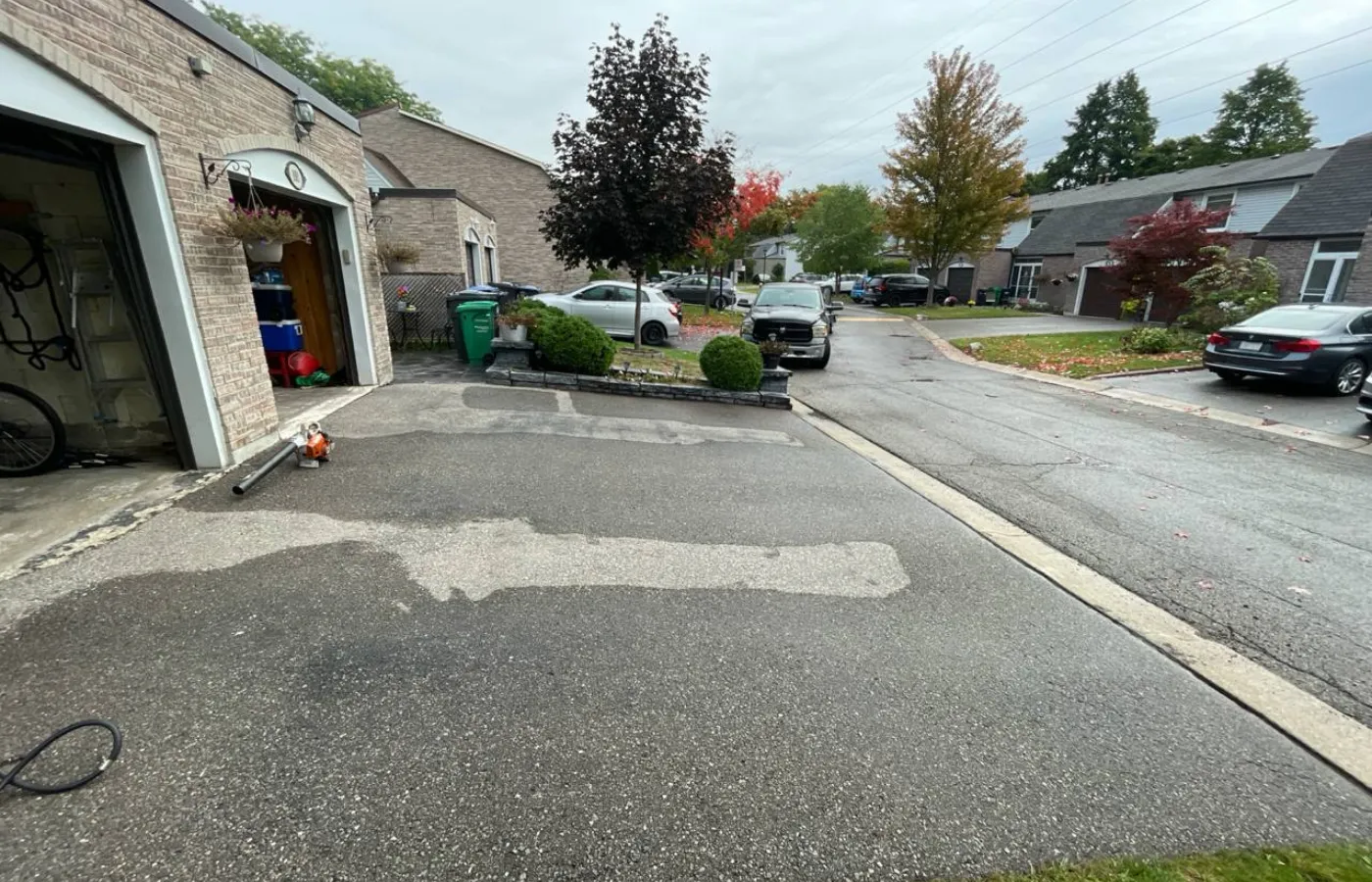
Many homeowners notice that their driveway looks noticeably darker during and after the rainy season. What was once a clean, bright concrete, asphalt, or paver surface can gradually become stained, discolored, and covered with dark patches. While some darkening may seem like a temporary effect caused by wet surfaces, persistent discoloration often points to underlying issues that develop over time.
Rainy weather creates the perfect environment for moisture accumulation, dirt buildup, and organic growth. Frequent rainfall, high humidity, and poor drainage can all contribute to dark stains that affect both the appearance and safety of a driveway. These conditions encourage algae, mold, mildew, and other contaminants to thrive, especially on surfaces that remain damp for extended periods.
Understanding why driveways turn dark during rainy seasons can help homeowners take proactive steps to prevent discoloration and maintain their property’s curb appeal. In this article, we’ll explore the most common causes of driveway darkening, how rainy weather accelerates the problem, the potential impact on your property, and the best ways to restore and protect your driveway.
What Causes Driveways to Turn Dark?
Accumulation of Dirt and Debris
One of the most common reasons driveways become darker over time is the gradual accumulation of dirt and debris. Dust, soil, sand, leaves, and airborne pollutants settle on driveway surfaces throughout the year.
During rainy periods, these materials become embedded into the surface. As moisture repeatedly wets and dries the driveway, dirt particles can penetrate porous materials and create a dull, dark appearance.
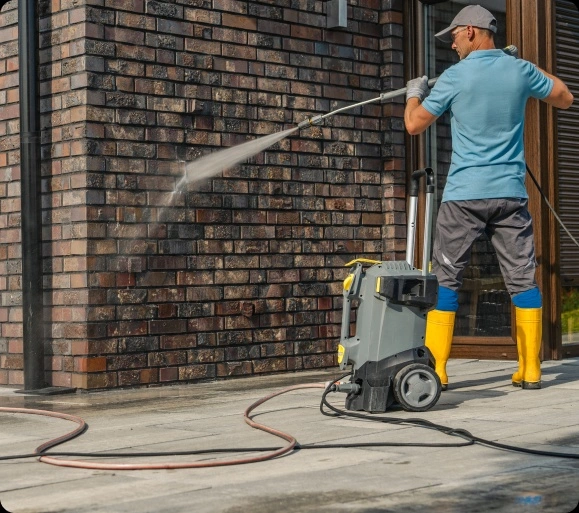
Without routine cleaning, layers of grime continue to build up and contribute to long-term discoloration. Scheduling professional pressure washing near me services can help remove embedded dirt, restore the driveway’s appearance, and prevent stains from becoming more difficult to clean over time.
Mold, Mildew, and Algae Growth
Rainy weather creates ideal conditions for biological growth. Mold, mildew, and algae thrive in damp environments and frequently develop on driveways that remain wet for extended periods.
Algae often appear as dark green or black patches, while mold and mildew may create gray, brown, or black staining. These organisms feed on organic matter and moisture, spreading across the driveway surface over time.
Moisture Retention in Porous Surfaces
Many driveway materials naturally absorb water. Concrete, pavers, and certain stone surfaces contain small pores that retain moisture after rainfall.
When water remains trapped within the surface, it creates an environment where stains and organic growth can develop more easily. The retained moisture also causes the driveway to appear darker for longer periods after rain events.
Oil, Grease, and Vehicle Fluid Stains
Vehicle leaks are another common source of driveway discoloration.
Motor oil, transmission fluid, coolant, brake fluid, and grease can seep into the surface and leave dark stains. During rainy weather, water spreads these contaminants and often makes stains appear larger and more noticeable.
Over time, untreated automotive stains can permanently alter the appearance of the driveway.
Organic Material Buildup from Trees and Plants
Trees and landscaping contribute significantly to driveway staining.
Leaves, twigs, pollen, sap, berries, and flower petals accumulate on the surface and decompose when exposed to moisture. This organic material releases tannins and other compounds that create dark stains and encourage microbial growth.
Driveways located beneath trees often experience more severe discoloration than those in open, sunny areas.
How Rainy Weather Contributes to Driveway Discoloration
Constant Moisture Creates Ideal Growth Conditions
Moisture is one of the primary factors behind driveway discoloration.
Rainy seasons expose driveway surfaces to continuous wet conditions, creating an environment where algae, mold, and mildew can establish themselves. These organisms require moisture to survive and reproduce, making rainy weather particularly favorable for growth.
Reduced Drying Time Between Rainfalls
During dry seasons, driveways have ample time to dry completely between rain events.
However, during periods of frequent rainfall, surfaces often remain damp for days or even weeks. Reduced drying time allows contaminants to settle and biological growth to expand without interruption.
The longer moisture remains present, the greater the likelihood of staining and discoloration.
Increased Dirt and Sediment Deposition
Rainwater carries dirt, sediment, and environmental pollutants from surrounding areas.
As water flows across the property, these particles accumulate on the driveway surface. Once the water evaporates, the deposited materials remain behind and gradually darken the appearance of the driveway.
Repeated rainfall compounds this effect throughout the season.
Water Runoff Carrying Contaminants
Runoff from roofs, landscaping, roads, and sidewalks can introduce a variety of contaminants to driveway surfaces.
These contaminants may include:
- Soil and mud
- Fertilizers
- Organic debris
- Vehicle pollutants
- Construction dust
- Plant matter
As runoff repeatedly crosses the driveway, staining becomes increasingly noticeable.
Humidity Accelerating Organic Growth
Rainy seasons are often accompanied by elevated humidity levels.
High humidity slows evaporation and helps maintain consistently moist conditions. Even when rain is not falling, humid air keeps driveway surfaces damp enough to support algae, mold, and mildew growth.
This persistent moisture significantly accelerates discoloration.
The Role of Algae, Mold, and Mildew
Why These Organisms Thrive in Wet Conditions
Algae, mold, and mildew depend on moisture to survive.
Rainy weather provides a continuous water source that allows these organisms to multiply rapidly. Combined with organic debris and moderate temperatures, wet conditions create the ideal environment for widespread growth.
As colonies expand, they produce visible stains that darken the driveway surface.
Common Signs of Organic Growth
Homeowners should watch for several warning signs of biological contamination, including:
- Green or black patches
- Dark streaks
- Slippery surfaces
- Fuzzy growth
- Musty odors
- Uneven discoloration
Early detection allows for prompt treatment before growth becomes extensive.
Safety Concerns Associated with Slippery Surfaces
Organic growth does more than affect appearance.
Algae, mold, and mildew often create slippery conditions that increase the risk of slips and falls, particularly during wet weather. This can pose safety concerns for homeowners, visitors, and delivery personnel.
Addressing growth promptly helps maintain a safer property.
Areas Most Susceptible to Growth
Certain sections of a driveway are more vulnerable than others.
Common problem areas include:
- Shaded locations
- Areas beneath trees
- Low spots with poor drainage
- Edges near landscaping
- Sections close to downspouts
- North-facing surfaces
These areas tend to retain moisture longer than surrounding sections.
How Growth Spreads Over Time
Organic growth rarely remains confined to a small area.
Spores and microorganisms spread through wind, water, and foot traffic. What begins as a minor stain can eventually cover large portions of the driveway if left untreated.
Routine maintenance helps prevent widespread contamination.
Which Driveway Materials Are Most Vulnerable?
Concrete Driveways
Concrete is one of the most common driveway materials and is highly susceptible to staining.
Its porous structure absorbs moisture, dirt, and contaminants, making it vulnerable to discoloration during rainy seasons.
Proper sealing can help reduce absorption and improve stain resistance.
Asphalt Driveways
Asphalt naturally has a darker appearance than concrete, but it can still develop noticeable discoloration.
Moisture, oil stains, algae growth, and oxidation may cause uneven darkening that affects the driveway’s appearance and condition.
Paver Driveways
Pavers contain numerous joints where dirt, weeds, algae, and organic debris can accumulate.
Moisture retention within these joints often promotes staining and biological growth, especially when maintenance is neglected.
Gravel and Stone Surfaces
Although gravel driveways do not stain in the same way as solid surfaces, they can still develop dark patches due to algae growth, mud accumulation, and organic debris.
Poor drainage can further contribute to discoloration and surface instability.
Factors That Affect Discoloration Severity
Several variables influence how quickly a driveway becomes discolored, including:
- Climate conditions
- Frequency of rainfall
- Surface material
- Amount of shade
- Drainage quality
- Nearby vegetation
- Maintenance practices
Understanding these factors helps homeowners implement effective prevention strategies.
How Dark Driveways Affect Your Property
Reduced Curb Appeal
A dark, stained driveway can significantly impact the appearance of a home.
Even a well-maintained property may appear neglected when the driveway is covered in stains, algae, or discoloration.
Clean driveways contribute to a more attractive and welcoming exterior.
Increased Slip Hazards
Dark patches often indicate the presence of algae, mold, or mildew.
These organisms create slick surfaces that increase the likelihood of slips and falls, particularly during rainy weather.
Safety concerns should never be overlooked.
Potential Surface Deterioration
Moisture retention and biological growth can gradually weaken driveway materials.
Over time, contaminants may contribute to cracking, erosion, surface wear, and other forms of deterioration.
Preventive maintenance helps preserve structural integrity.
Impact on Property Value
First impressions matter when selling a home.
Potential buyers often evaluate exterior maintenance as an indicator of overall property care. A stained driveway may negatively influence perceived value and marketability.
Long-Term Maintenance Costs
Ignoring driveway discoloration can lead to more extensive cleaning and repair needs later.
Addressing stains early typically requires less time, effort, and expense than correcting severe deterioration.
How to Prevent Driveway Darkening During Rainy Seasons
Regular Surface Cleaning
Routine cleaning removes dirt, debris, and contaminants before they become deeply embedded.
Sweeping and occasional washing help maintain a cleaner appearance throughout the year.
Prompt Removal of Leaves and Debris
Organic debris should be removed as soon as possible.
Leaves, branches, and plant matter trap moisture and contribute to staining as they decompose.
Improving Drainage Around the Driveway
Proper drainage is essential for minimizing moisture retention.
Solutions may include:
- Extending downspouts
- Installing drainage channels
- Regrading problem areas
- Correcting standing water issues
Effective drainage helps surfaces dry more quickly.
Sealing Concrete and Paver Surfaces
Sealants create a protective barrier that reduces water absorption and stain penetration.
Regular resealing helps preserve the appearance and durability of concrete and paver driveways.
Trimming Nearby Trees and Shrubs
Reducing vegetation around the driveway increases sunlight exposure and airflow.
Improved drying conditions discourage algae, mold, and mildew growth.
Scheduling Routine Maintenance
Professional inspections and cleaning services can identify developing issues before they become serious.
Preventive maintenance often extends the life of the driveway while preserving curb appeal.
Professional Driveway Cleaning Solutions
Benefits of Pressure Washing
Pressure washing is one of the most effective methods for removing accumulated dirt, grime, and surface stains.
High-pressure cleaning can quickly restore brightness and improve overall appearance.
Removing Deep-Seated Stains and Organic Growth
Professional cleaning equipment can eliminate contaminants that ordinary garden hoses and household cleaners cannot remove.
This includes:
- Algae
- Mold
- Mildew
- Oil stains
- Dirt buildup
- Organic residue
Restoring Original Surface Appearance
Many homeowners are surprised by how much brighter and cleaner their driveway looks after professional cleaning.
Removing years of accumulated contamination can dramatically improve curb appeal.
Protecting the Driveway from Future Damage
Professional services often include treatments that help reduce future staining and biological growth.
Protective measures may extend the time between cleanings and improve long-term durability.
Why Professional Cleaning Delivers Better Results
Experienced technicians understand how to clean different driveway materials safely and effectively.
Their expertise helps achieve superior results while minimizing the risk of surface damage.
When Should You Schedule Driveway Cleaning?
Visible Dark Stains and Discoloration
Any noticeable darkening is a clear indication that cleaning may be needed.
Prompt treatment prevents stains from becoming more deeply embedded.
Algae or Mold Growth Appearing
Visible organic growth should be addressed as soon as possible.
Early intervention prevents widespread contamination and improves safety.
Before or After Rainy Seasons
Scheduling cleaning before rainy weather removes existing contaminants.
Cleaning afterward helps eliminate buildup that developed during the wet season.
Prior to Selling Your Home
A freshly cleaned driveway can significantly improve curb appeal and make a property more attractive to buyers.
As Part of Routine Property Maintenance
Annual or semiannual cleaning helps preserve appearance, safety, and long-term performance.
Routine maintenance is often the most cost-effective approach.
Conclusion
Rainy seasons create ideal conditions for driveway discoloration. Frequent moisture, high humidity, dirt accumulation, organic debris, and biological growth all contribute to dark stains that affect both appearance and safety. Whether your driveway is made of concrete, asphalt, pavers, or gravel, prolonged exposure to wet conditions can accelerate staining and deterioration.
Fortunately, regular cleaning, improved drainage, preventive maintenance, and professional driveway cleaning services can help keep surfaces looking their best. By addressing stains and organic growth early, homeowners can protect their investment, improve curb appeal, and reduce long-term maintenance costs.
If your driveway has become stained, darkened, or slippery during the rainy season, contact us today to schedule a professional driveway cleaning service. Our team can help restore your driveway’s appearance and keep your property looking its best year-round.
Frequently Asked Questions
Why does my driveway look darker after heavy rain?
Rainwater saturates the surface, making existing stains, dirt, and contaminants more visible. Persistent moisture also encourages algae and mold growth that can permanently darken the driveway.
Can algae cause driveway discoloration?
Yes. Algae commonly appear as green, dark green, or black patches that spread across damp surfaces and contribute significantly to driveway discoloration.
Is a dark driveway a sign of damage?
Not always. Darkening often results from dirt, moisture, or organic growth. However, prolonged staining and moisture retention can contribute to surface deterioration over time.
How often should I clean my driveway?
Most driveways benefit from professional cleaning at least once a year, although properties with heavy shade or high moisture exposure may require more frequent maintenance.
Can pressure washing remove driveway stains?
Yes. Pressure washing is highly effective at removing dirt, algae, mildew, and many common driveway stains when performed correctly.
What causes mold and mildew on driveways?
Moisture, shade, organic debris, and poor drainage create favorable conditions for mold and mildew growth.
Are dark driveways slippery and dangerous?
They can be. Algae, mold, and mildew often create slick surfaces that increase the risk of slips and falls, especially during wet weather.