

Gutters are one of the most overlooked yet essential parts of any home. Their primary job is to collect rainwater from your roof and direct it safely away from your home’s foundation. When gutters are working properly, they help protect your roof, siding, landscaping, basement, and structural foundation from water damage.
Routine gutter cleaning is one of the easiest and most affordable ways to protect your home throughout the year. Whether you live in an area with frequent storms or have several trees surrounding your property, keeping your gutters clear ensures that rainwater is directed away safely and efficiently.
In this guide, you’ll learn why gutters are so important, what happens if you never clean them, the warning signs of clogged gutters, the benefits of regular maintenance, how often gutters should be cleaned, and answers to some of the most frequently asked questions about gutter care.
Why Gutters Are Essential for Your Home
Although gutters may seem like a simple feature, they play a vital role in protecting your home from water-related damage. Properly functioning gutters help maintain the structural integrity of your property while reducing maintenance costs over time.
How Gutters Protect Your Roof and Foundation
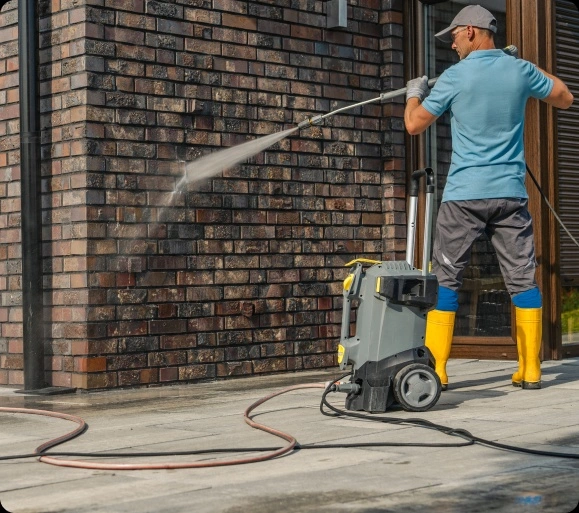
Your roof collects thousands of gallons of rainwater each year. Gutters capture this water and channel it through downspouts away from your home’s foundation. Pairing routine gutter maintenance with professional Pressure Washing Services also helps keep your home’s exterior free from dirt, algae, and debris, ensuring your property remains clean, protected, and well-maintained throughout the year.
Gutters also prevent water from pooling on your roof, where it can seep beneath shingles, damage roofing materials, and cause wood rot. By directing rainwater away efficiently, gutters help extend the lifespan of your roof and foundation.
The Purpose of Proper Rainwater Drainage
Effective rainwater drainage protects nearly every exterior part of your home. It keeps walls dry, prevents water from collecting around the foundation, and minimizes damage to landscaping, driveways, and walkways.
Proper drainage also reduces the risk of mold growth, soil erosion, and standing water that can attract insects and pests. A clean gutter system ensures that rainwater follows a controlled path instead of damaging your property.
Common Causes of Gutter Clogs
Several factors contribute to clogged gutters throughout the year. Falling leaves are the most common cause, especially during autumn. However, twigs, pine needles, seed pods, dirt, roof granules, bird nests, and windblown debris also accumulate inside gutters over time.
Heavy storms can wash additional debris into the gutter system, while moss and algae may develop in consistently damp areas. Homes surrounded by mature trees often require more frequent gutter maintenance because debris accumulates much faster.
What Happens If You Never Clean Your Gutters?
Ignoring gutter maintenance may not seem like a major concern initially, but the consequences become increasingly serious over time. Water that cannot flow properly will always find another path, often causing extensive damage throughout your home.
Water Overflows and Damages Your Roof
One of the first problems caused by clogged gutters is overflowing water. When debris blocks the flow of rainwater, water begins backing up beneath roof shingles instead of draining through the downspouts.
This trapped moisture can damage roof decking, insulation, and wooden roof structures while creating conditions for leaks to develop. Over time, constant moisture exposure weakens roofing materials and significantly shortens the lifespan of your roof.
Foundation Cracks and Soil Erosion
Your home’s foundation depends on stable soil for support.
Overflowing gutters allow water to collect around the base of the house, gradually washing away soil and creating uneven support beneath the foundation. As the soil shifts, foundation walls may begin developing cracks or settling unevenly.
Foundation repairs are among the most expensive home maintenance projects, making regular gutter cleaning a worthwhile preventive investment.
Basement Flooding and Water Intrusion
Poor gutter drainage often contributes to basement moisture problems. As rainwater pools around the home’s perimeter, hydrostatic pressure increases against basement walls.
Eventually, water may seep through small cracks or porous concrete, causing damp walls, flooded basements, damaged belongings, and unpleasant odors. Persistent water intrusion also creates ideal conditions for mold growth.
Fascia, Soffit, and Siding Damage
Overflowing water doesn’t only affect the roof. When clogged gutters retain excessive water, the additional weight places stress on fascia boards that support the gutter system. Constant moisture eventually causes wood rot, peeling paint, and structural deterioration.
Water running down exterior walls can also stain siding, damage insulation, and weaken exterior finishes over time.
Mold, Mildew, and Moisture Problems
Excess moisture is one of the leading causes of mold and mildew growth. Clogged gutters create damp conditions around the roof, attic, walls, and foundation. Mold can spread rapidly through these moist environments, affecting indoor air quality and potentially creating health concerns for occupants.
Addressing mold problems is often far more expensive than routine gutter maintenance.
Landscape and Garden Erosion
Your landscaping is also vulnerable to clogged gutters. Overflowing rainwater can wash away mulch, topsoil, flowers, shrubs, and newly planted gardens. Continuous erosion changes the grading around your home, making drainage problems even worse over time.
Proper gutter drainage helps preserve both your landscaping investment and your property’s appearance.
Ice Dams During Cold Weather
In colder climates, clogged gutters contribute to ice dam formation. When melting snow cannot drain properly, water refreezes along the roof edge, creating thick ice barriers.
These ice dams prevent additional snowmelt from draining, forcing water beneath shingles where it can damage roofing materials and interior ceilings. Keeping gutters clean before winter greatly reduces the likelihood of ice dams.
Pest Infestations from Standing Water
Clogged gutters provide an ideal habitat for unwanted pests. Standing water attracts mosquitoes, while accumulated leaves create nesting areas for birds, rodents, insects, and even squirrels. Regular gutter cleaning eliminates these favorable conditions before infestations develop.
Warning Signs Your Gutters Need Immediate Cleaning
Your gutter system usually provides clear warning signs before major damage occurs. Recognizing these symptoms early allows you to schedule cleaning before expensive repairs become necessary.
Water Overflow During Rainstorms
If water spills over the sides of your gutters during rainfall, debris is likely blocking the system.
Overflowing gutters indicate that rainwater cannot flow properly toward the downspouts. Immediate cleaning restores proper drainage and prevents further water damage.
Sagging or Pulling Gutters
Gutters filled with wet debris become extremely heavy. Excess weight may cause sections of the gutter system to sag, separate from the roofline, or pull away completely. Loose gutters should be cleaned and repaired as soon as possible to prevent structural damage.
Plants Growing Inside the Gutters
If plants begin growing inside your gutters, debris has likely remained there for an extended period.
Seeds carried by the wind often germinate within accumulated dirt and organic matter. Vegetation blocks water flow while adding additional weight to the gutter system.
Bird Nests and Insect Activity
Birds frequently build nests inside neglected gutters. Standing water also attracts mosquitoes, while damp debris provides shelter for insects and rodents. Increased pest activity around your roofline often indicates clogged gutters requiring immediate attention.
Visible Dirt, Leaves, and Debris
One of the easiest warning signs is simply looking inside the gutters. If leaves, branches, dirt, or roof granules are visible, cleaning should be scheduled before heavy rainfall arrives. Routine visual inspections help identify problems early.
Water Stains on Exterior Walls
Brown streaks or water stains running down siding often indicate overflowing gutters.
These stains suggest that rainwater is spilling over the gutter edge rather than flowing through the downspouts. Cleaning the gutters usually resolves the issue before more serious damage develops.
Benefits of Regular Gutter Cleaning
Routine gutter maintenance provides numerous long-term benefits that help protect your home while reducing repair costs.
Prevents Expensive Home Repairs
Cleaning gutters is far less expensive than repairing roofs, foundations, basements, siding, or landscaping damaged by uncontrolled rainwater.
Preventive maintenance helps homeowners avoid major structural repairs while extending the lifespan of multiple building components.
Extends the Life of Your Roof and Gutters
Removing debris reduces moisture exposure, minimizes rust and corrosion, and decreases unnecessary weight placed on the gutter system.
A well-maintained gutter system allows roofing materials to remain dry and structurally sound for many years.
Protects Your Foundation
Directing rainwater safely away from the home prevents soil erosion, reduces hydrostatic pressure, and minimizes foundation settlement.
Foundation protection is one of the most valuable benefits of routine gutter maintenance.
Improves Drainage During Heavy Rain
Clean gutters handle heavy rainfall much more effectively than clogged systems. Efficient drainage prevents overflowing water while reducing the likelihood of flooding around entrances, patios, driveways, and landscaping.
Reduces Mold and Pest Problems
Removing wet debris eliminates the moisture conditions that encourage mold growth and pest infestations.
Dry, well-maintained gutters create a less attractive environment for mosquitoes, rodents, birds, and insects.
Maintains Your Home’s Curb Appeal
Clean gutters improve your home’s appearance by preventing stains, overflowing debris, sagging gutters, and damaged landscaping. Well-maintained exteriors also contribute positively to property value and neighborhood appeal.
How Often Should You Clean Your Gutters?
Cleaning frequency depends on your home’s location, surrounding trees, climate, and weather conditions.
Recommended Cleaning Schedule
Most homeowners should clean their gutters at least twice each year. Spring cleaning removes debris accumulated during winter storms, while fall cleaning clears leaves before heavy rain and winter weather arrive. Regular maintenance keeps gutters functioning properly throughout every season.
Homes Near Trees Require More Frequent Cleaning
Properties surrounded by mature trees typically require gutter cleaning three or four times annually.
Pine needles, leaves, twigs, seed pods, and branches accumulate quickly, increasing the likelihood of clogs if maintenance is delayed. More frequent inspections help prevent serious drainage issues.
Seasonal Gutter Maintenance Tips
Inspect gutters after severe storms to remove fallen branches and debris. Check downspouts regularly to ensure water flows freely. Trim overhanging tree branches whenever possible to reduce debris accumulation.
Routine seasonal inspections allow small problems to be corrected before major repairs become necessary.
When to Hire Professional Gutter Cleaning Services
Although some homeowners clean gutters themselves, professional services offer several advantages.
Professionals safely remove debris, flush downspouts, inspect the gutter system for damage, identify potential repairs, and ensure proper drainage. Hiring experienced technicians also eliminates the safety risks associated with climbing ladders.
Professional maintenance provides peace of mind while helping protect your home’s exterior year-round.
Frequently Asked Questions (FAQs)
1. What happens if gutters are never cleaned?
Clogged gutters can cause roof leaks, foundation damage, basement flooding, mold growth, landscape erosion, wood rot, pest infestations, and expensive structural repairs. Regular maintenance helps prevent these issues.
2. How often should gutters be cleaned?
Most homes should have their gutters cleaned at least twice each year, typically during the spring and fall. Homes surrounded by trees may require more frequent cleaning throughout the year.
3. Can clogged gutters damage the roof?
Yes. Overflowing water can back up beneath roofing materials, causing leaks, wood rot, damaged insulation, and structural deterioration if left untreated.
4. Do clogged gutters attract pests?
Absolutely. Standing water and accumulated debris create ideal breeding and nesting conditions for mosquitoes, birds, rodents, termites, ants, and other insects.
5. Can clogged gutters cause foundation problems?
Yes. Water overflowing near the base of your home can erode soil, weaken foundation support, increase hydrostatic pressure, and eventually contribute to foundation cracks and settlement.
6. Is professional gutter cleaning worth it?
Yes. Professional gutter cleaning ensures your entire drainage system is thoroughly cleaned, inspected, and functioning correctly while reducing the safety risks associated with climbing ladders and working at heights.
Conclusion
Your gutters may not receive much attention, but they play a critical role in protecting your home from water damage. When left uncleaned, clogged gutters can lead to roof leaks, foundation cracks, basement flooding, mold growth, wood rot, pest infestations, and landscape erosion.
What begins as a simple buildup of leaves and debris can quickly develop into costly repairs that affect multiple parts of your property. Don’t wait until clogged gutters cause expensive damage. Contact our team today to schedule reliable gutter cleaning and exterior maintenance services.